Hakainde Hichilema Just Turned Zambia Into Africa's First 24-Hour Economy
President of Zambia since August 2021. The man who restructured Zambia's $13 billion debt default, the first African sovereign to complete the G20 Common Framework process. Now he has done something no sitting African president has attempted at scale.

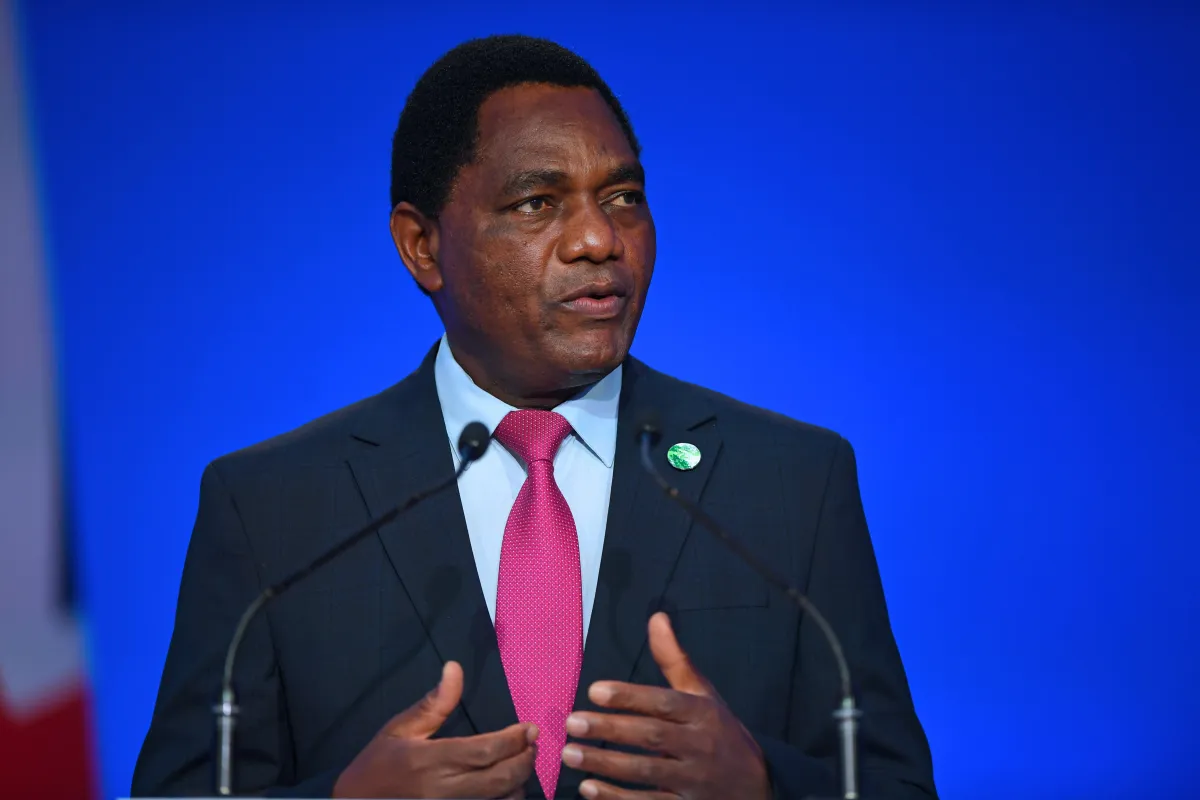
On 16 March 2026, Zambia's Cabinet approved the extension of all business and operating hours to 24 hours for business houses, markets and bus stations nationwide. Chief Government Spokesperson Cornelius Mweetwa confirmed the decision, positioning it as a strategy to maximise productivity, enhance competitiveness and create inclusive economic opportunities across manufacturing, retail, transport and services.
The timing is not accidental. Three days later, Hichilema convened an emergency meeting with oil marketing companies to shield Zambian consumers from the Iran war fuel shock. While Zimbabwe was absorbing a 39% fuel price surge and most SADC governments were reacting to the crisis, Hichilema was moving on two fronts simultaneously: protecting consumers from the oil shock while restructuring the economy to extract more output from existing infrastructure.
The logic is straightforward. Zambia does not need to build new factories to grow faster. It needs the factories it already has to run longer. A 24-hour economy means shift work expands, transport networks operate continuously, market traders are no longer locked out at sundown, and bus stations serve the informal economy around the clock. The phased implementation acknowledges infrastructure gaps, but the policy signal is unmistakable.
Critics, including opposition figure Makebi Zulu, argue the economy lacks the consumer spending power to sustain round-the-clock demand. The counterpoint is that demand follows access. Night-shift workers spend money at night. Market traders who can sell at 3 a.m. serve customers who cannot shop at 3 p.m. The policy creates the conditions for demand it is accused of lacking.
Kenya attempted a version of this under Uhuru Kenyatta. It stalled. Egypt has 24-hour commercial zones but they emerged organically, not by Cabinet resolution. Rwanda's Kigali operates extended hours in commercial districts but has not formalised a national policy. Hichilema is the first African leader to make a whole-of-economy, Cabinet-approved commitment to round-the-clock operations.
Why this matters beyond Zambia: every landlocked, infrastructure-constrained African economy faces the same arithmetic. Building new capacity takes years and billions. Extending the operating hours of existing capacity takes a policy decision and a shift roster. If Zambia demonstrates measurable GDP gains from this model within 12 months, it becomes the template for Malawi, Uganda, Zimbabwe, Botswana and every economy where infrastructure utilisation sits below 50%.