Hormuz Shock Threatens Africa's Disinflation Gains: The 11 Stories Moving Money Today
Oil at $114, fertiliser up 30%, and central banks across Africa rethinking rate cuts. What treasuries and CEOs need to know this morning.


The signal is unmistakable: the Iran war has ended Africa's brief window of monetary easing.
Brent crude surged past $114 this morning after Iran struck energy facilities across Saudi Arabia, Qatar, and Kuwait in retaliation for Israeli attacks on South Pars. For African treasuries that spent 18 months fighting inflation, this is the external shock that rewrites every budget assumption for 2026.
Here are the 11 stories driving capital flows, policy decisions, and boardroom conversations across the continent today.
- Oil Breaks $114 as Iran Escalates Gulf Strikes
Brent crude jumped 6.5 percent to $114.35 per barrel after Iran launched coordinated attacks on energy infrastructure in Saudi Arabia, the UAE, and Qatar. QatarEnergy reported extensive damage at Ras Laffan, the heart of its LNG operations. The Strait of Hormuz remains effectively closed, with approximately 150 vessels anchored and unable to transit. The IEA has slashed global oil demand growth forecasts by 210,000 barrels per day for 2026.
What this means: Every African net importer just lost the inflation gains of the past six months. Transport costs, food prices, and fertiliser will reprice within weeks.
- South Africa Inflation Hits 3 Percent but April Fuel Shock Looms
South Africa's annual inflation rate fell to 3 percent in February, the lowest since June 2025. But economists warn the Iran-driven fuel price increase on 1 April will be the highest single monthly jump in the country's history. Independent economist Elize Kruger projects inflation could climb from 3.2 percent in March to 4.5 percent in April, potentially pushing it outside the Reserve Bank's new 2-4 percent target range.
What this means: Rate cuts are off the table. The fragile recovery is now at risk.
- Bank of Ghana Cuts 150 Basis Points to 14 Percent
Governor Johnson Asiama delivered the fifth consecutive rate cut, taking Ghana's benchmark rate to 14 percent. The cut was deeper than the 100 basis point consensus, reflecting confidence that inflation at a 25-year low of 3.3 percent gives space to prioritise growth. However, JPMorgan has already warned that the oil shock may force Ghana to pause further easing.
What this means: Ghana is the recovery story of 2026, but the external environment is turning hostile.
- Nigeria Projects 4.49 Percent Growth but Fuel Prices Breach 1,000 Naira
The Central Bank of Nigeria's 2026 outlook forecasts growth of 4.49 percent and inflation moderating to 12.94 percent. But the Iran war has already disrupted fuel supplies, with petrol prices reportedly exceeding 1,000 naira per litre in multiple states. CBN Governor Olayemi Cardoso faces a policy trilemma: supporting growth, controlling inflation, and maintaining FX stability simultaneously.
What this means: Nigeria captures Africa's contradiction: oil exporter, fuel importer, reform in progress, external shock landing.
- Kenya Steady at 4.5 Percent Inflation but Output Gap Persists
The Central Bank of Kenya has delivered 10 consecutive rate cuts, with inflation holding steady at 4.5 percent in December. Private sector credit growth has ticked up to 6.4 percent. But analyst Mihr Thakar notes Kenya is still running a negative output gap, meaning the economy operates below potential. The World Bank projects 5 percent GDP growth for 2026.
What this means: Kenya is the soft landing story, but it needs external conditions to cooperate.
- Fed Holds Rates Steady as Inflation Expectations Rise
The US Federal Reserve held its benchmark rate unchanged at its March meeting, with policymakers revising inflation projections upward due to the Iran war. The hawkish hold reinforces a cautious global monetary stance and dims hopes for dollar weakness that would have supported African currencies and reduced debt service costs.
What this means: The dollar tailwind is gone. African treasuries cannot count on external relief.
- Copper Falls to Three-Month Low on Demand Concerns
Copper futures fell below $5.50 per pound, hitting a three-month low as LME inventories climbed nearly 19,000 tonnes to 330,375 tonnes, the highest since September 2019. The copper price is a leading indicator for global industrial demand, and the signal is not encouraging.
What this means: DRC and Zambia should watch export revenues closely. The commodity supercycle is cooling.
- Gold Steadies at $4,849 After Six-Day Decline
Gold prices stabilised above $4,849 per ounce after the longest losing streak since late 2024. The Fed's hawkish stance outweighed geopolitical safe-haven demand. Silver held above $75 per ounce.
What this means: Gold-backed currencies like Zimbabwe's ZiG benefit from price stability, but the rally has paused.
- Zimbabwe Mandates ZiG-Only Payments for Government Suppliers
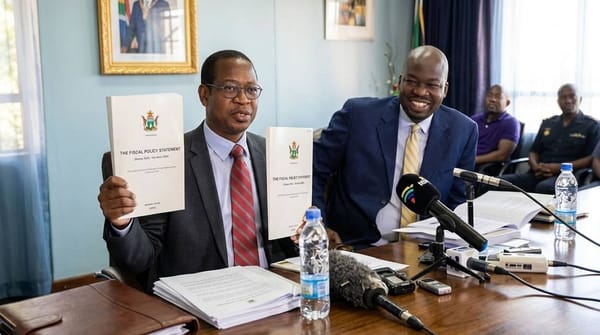
Finance Minister Mthuli Ncube and the Procurement Regulatory Authority of Zimbabwe announced a National Standard Price List requiring all ministries, state-owned enterprises, and local authorities to pay local suppliers exclusively in the Zimbabwe Gold (ZiG). RBZ Governor John Mushayavanhu assured suppliers that foreign currency remains accessible through the interbank market for import requirements. Inflation stood at 3.85 percent in February.
What this means: Zimbabwe is forcing ZiG demand through the public sector supply chain. The policy is ambitious and consequential.
- Fertiliser Prices Surge 30 Percent as Planting Season Begins
Urea prices have jumped approximately 30 percent over the past month, with Gulf shipping disruptions tightening supply precisely as Northern Hemisphere planting begins. For African farmers in net-importing economies, this translates directly to higher input costs and potentially weaker yields later this year.
What this means: The food security equation just got harder. Treasuries should monitor fertiliser import bills.
- Africa to Grow 4 Percent in 2026 Despite Headwinds
The United Nations World Economic Situation and Prospects 2026 report projects African growth at 4 percent this year, accelerating to 4.1 percent in 2027. Eleven of the world's 15 fastest-growing economies in 2026 are African, according to IMF data. But debt servicing absorbs nearly 15 percent of public revenue across the continent, and 40 percent of African countries remain in or at high risk of debt distress.
What this means: The structural story remains strong. The cyclical shock is real. Both can be true.
What Treasuries Should Watch
The Iran war duration is now the single most important variable for African economic planning. Every week of Hormuz closure adds fiscal pressure to net importers and delays the rate cut cycle. Finance ministers should stress-test budgets against $100 and $120 oil scenarios. Central bank governors should prepare communication strategies for pausing easing. CEOs should review supply chain exposures to Gulf logistics.
The window of stability was brief. The adjustment begins now.
By Imani Leviston
PowerList.Africa | 19 March 2026