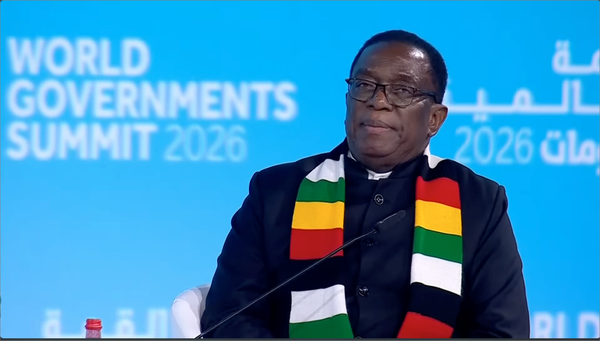
Mnangagwa's 5-Year Plan For Zimbabwe To Out-Compete the AI Space.
Zimbabwe Launches 5-Year Plan to Own the AI Future, The AI Strategy That Could Outlast Them All.

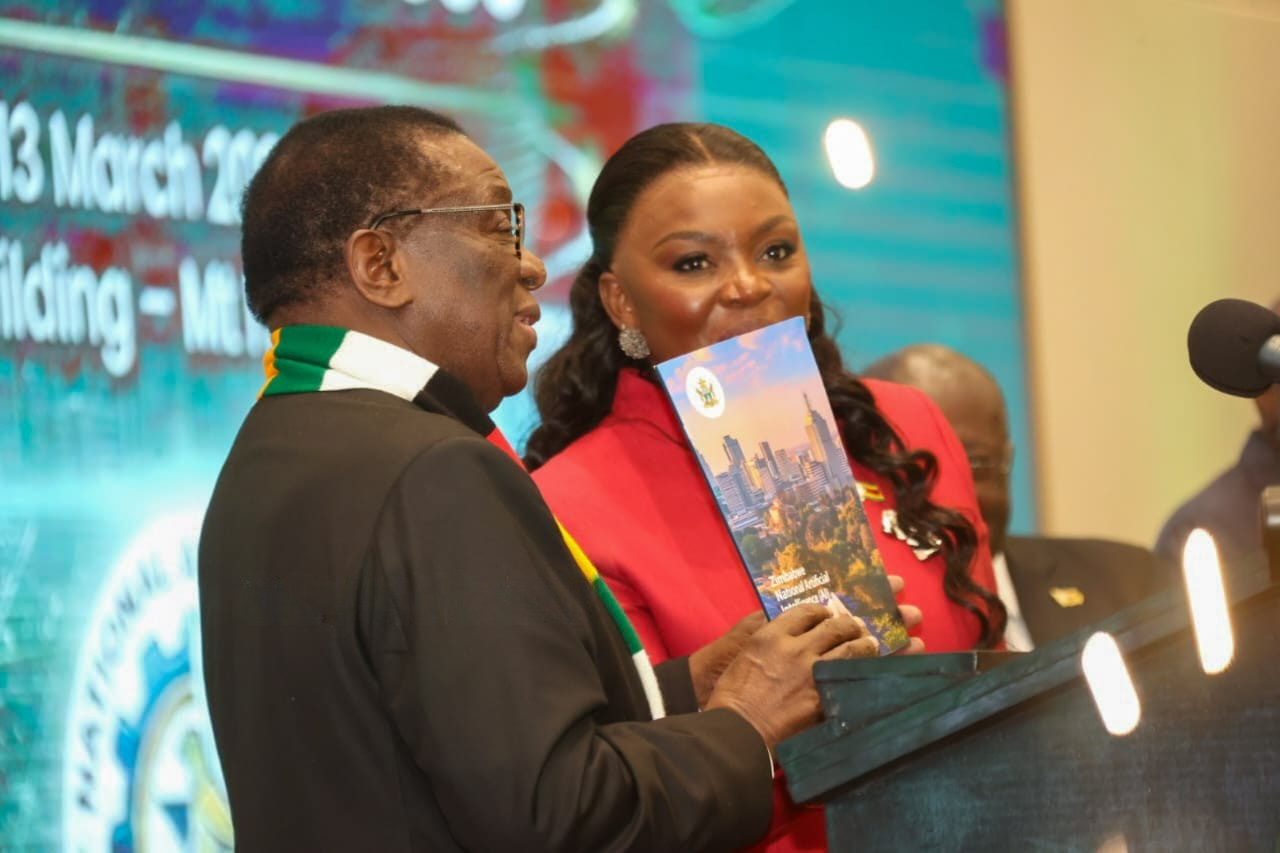
Zimbabwe just did something only a handful of African governments have managed. On March 12, President Emmerson Mnangagwa stood in Parliament Building and launched a National Artificial Intelligence Strategy with a 5-year implementation timeline, 6 structural pillars, 5 flagship programs, and UNESCO as the lead international partner. The timing matters. The ambition matters more.
For every finance ministry director and every investor watching the continent, the immediate question is straightforward: does this change Zimbabwe's positioning in the global digital economy, or is it another shelf document? The answer depends on who you think is driving it — and the evidence suggests the driver has a plan.
The strategy document, approved by Cabinet in October 2025, is the product of a process Minister Tatenda Mavetera's ICT Ministry shepherded across 4 consultation cities, a UNESCO readiness assessment, and months of multi-stakeholder drafting. It integrates directly with Vision 2030, the Smart Zimbabwe 2030 Master Plan, and Heritage-Based Education 5.0. This alignment was deliberate. The strategy positions AI as an accelerant for goals Zimbabwe had already committed to, rather than introducing a parallel policy track competing for attention and resources.
The 6 pillars cover talent development, national computing infrastructure, cross-sector AI adoption, governance and ethics, research and innovation, and international partnerships. Each pillar carries defined key performance indicators and implementation milestones across 3 phases running through 2030.
What separates this document from the policy documents that end up gathering dust is the specificity of its flagship programs. Project Pangolin creates a centralized national AI and data platform designed to enforce data sovereignty. The Zimbabwe AI Grand Challenge functions as a national innovation competition. Nzwisiso.ai is a citizen literacy campaign. The Innovation Crucible operates as a regulatory sandbox for startups. The Mugove Innovation Fund provides direct capital to AI ventures and research. These are programs with names, institutional homes, and defined outputs — considerably more concrete than a set of aspirational pillars alone.
The presidential framing was pointed. Mnangagwa told the launch audience that Zimbabwe must be digitally agile and committed his administration to offering direct incentives to businesses that integrate AI. He named precision agriculture, predictive healthcare, smart mining, and AI-powered anti-corruption systems as immediate priorities. He challenged the diaspora by name and addressed young entrepreneurs in Shona and Ndebele, calling them to build solutions at home. This is a president attaching his personal political capital to the strategy — which, in the arithmetic of how governments actually prioritize, matters more than any budget line.
Minister Mavetera has framed AI in language that goes well beyond the usual technology-for-development register. In the strategy's foreword, she described artificial intelligence as the foundation of sovereignty, competitiveness, and resilience. She characterized the strategy as Zimbabwe's declaration of intent to be an innovator rather than a passive technology consumer, integrating AI across agriculture, mining, health, education, and governance while safeguarding national heritage and data. The Minister's consistent emphasis on data sovereignty — keeping value onshore, keeping Zimbabwean data under Zimbabwean control — reflects a political calculation that resonates with both the continental mood and the specific anxieties of a post-colonial economy.
The strategy is grounded in Ubuntu and Unhu philosophy, making Zimbabwe's approach arguably the most culturally integrated AI framework on the continent. This is a deliberate philosophical choice, embedding indigenous ethical principles into governance and development design rather than importing Western or East Asian AI ethics wholesale.
To understand where Zimbabwe sits, consider the continental landscape. Mauritius was the sub-Saharan pioneer in 2018 and still leads regional AI readiness rankings. Rwanda approved a comprehensive AI policy in 2023. South Africa published its policy framework in late 2024. Egypt targets $42.7 billion in AI-driven GDP impact by 2030. Kenya launched its own strategy in March 2025 using the same UNESCO methodology Zimbabwe adopted.
Zimbabwe arrives later than these peers. But late entry carries an advantage: every lesson learned by Kigali, Nairobi, and Pretoria is available for free. And Zimbabwe brings something the others do not — a strategy co-developed with the African Union's own AI leadership, with the AU's Chief AI Scientist serving as lead rapporteur on the drafting team.
Globally, the ITU estimates that a 10 percent increase in a country's digitalization score produces a 0.75 percent rise in GDP per capita. For Zimbabwe, where GDP per capita sits well below the regional ambition, even modest gains in digitalization translate into measurable economic movement.
The honest constraint is infrastructure. Zimbabwe ranks 149th on the UN E-Government Index, against Mauritius at 58th and Egypt at 65th. Internet penetration sits at 38 percent by ITU measurement, and electricity access reaches 62 percent nationally. No strategy document rewires the grid or lays fibre. The gap between ambition and capacity is real, and any serious analysis must name it.
But naming the gap is different from concluding the strategy is doomed. The UNDP, which has been actively supporting Zimbabwe's AI moment, described it as a potential new chapter for human development while noting the country must ensure digital progress reaches beyond urban centres. UNESCO's continued technical and financial involvement provides institutional continuity that domestic political cycles alone cannot guarantee.
The question for decision-makers is whether this represents a genuine institutional commitment or a prestige exercise. The evidence tilts toward the former. The multi-stakeholder process was substantive. The flagship programs have defined structures. The presidential endorsement carries personal political weight. And Minister Mavetera has built the strategy into a broader digital transformation architecture that includes the 1.5 Million Coders Programme and curriculum reform embedding coding and robotics into schools.
Zimbabwe did not invent the idea of a national AI strategy. It may have built one of the more thoughtful ones on the continent. The next 18 months will determine whether the Foundation Building phase delivers the National AI Council, the regulatory framework, and the institutional scaffolding the strategy promises. If it does, Mnangagwa and Mavetera will have given Zimbabwe something no amount of rhetoric can substitute: a working plan for the economy that comes after the one they are managing now.