The Man Who Scaled M-PESA to 60 Million Customers Now Runs Absa's Retail Empire
Sitoyo Lopokoiyit built Africa's largest fintech. Now he takes charge of one of its biggest banks. The implications for continental finance are enormous.

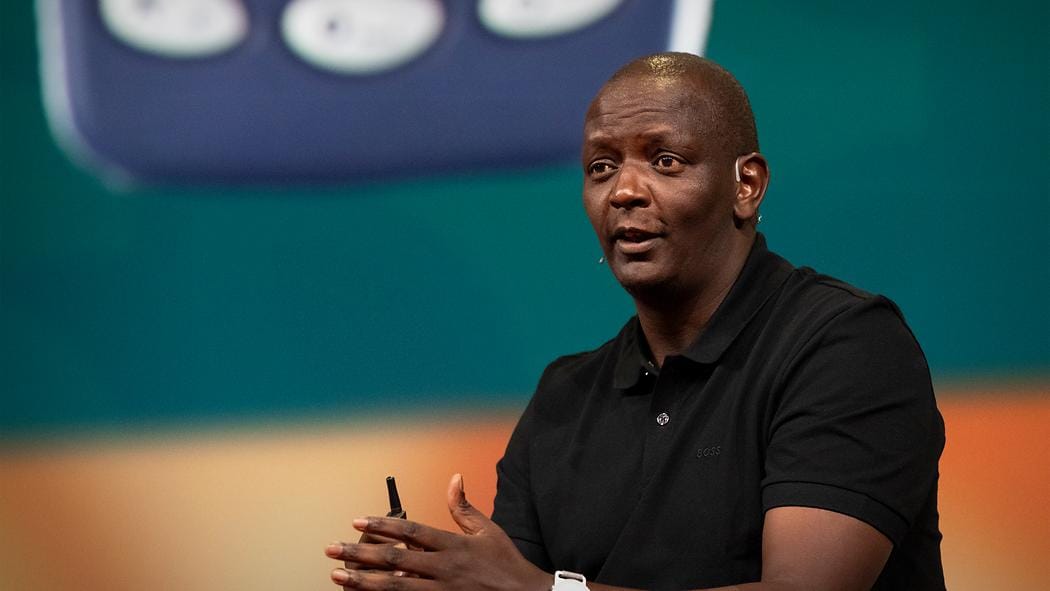
Sitoyo Lopokoiyit spent 15 years turning M-PESA from a peer-to-peer transfer service into a financial super app serving 60 million customers and 5 million businesses across eight African markets. On April 1, he takes charge of Absa Group's Personal and Private Banking division — the first non-South African to lead the unit.
The appointment signals something larger than a career move. It marks the moment Africa's traditional banking sector formally acknowledged that the future belongs to those who understand digital-first financial inclusion.
Lopokoiyit joined Safaricom in 2011 as Head of M-PESA Strategy. The origin story is instructive: back in 2005, while working at Caltex under Chevron Kenya, he sketched the idea of using fuel stations as mobile money agent points. That concept became the agent aggregator model now replicated across global mobile money systems.
As Managing Director of M-PESA Africa from 2021, he oversaw the platform's evolution into a fully integrated ecosystem — savings, credit, merchant payments, international remittances, and most recently stock trading through Ziidi Trader. He brokered partnerships with PayPal, AliPay, Visa, and Western Union. The M-PESA Super App, developed with Ant Financial, opened the platform to third-party services in a model that redefined what African fintech could become.
The 11:FS Hall of Fame inducted him for his contribution to financial services innovation. Absa CEO Kenny Fihla called the hire a demonstration of the bank's commitment to customer-centric transformation.
The case for attention: Lopokoiyit's mandate at Absa is to bring telco-fintech agility to Tier-1 banking. If he succeeds, the playbook will be studied across every boardroom on the continent. If traditional banks want to compete with the M-PESAs and Fintechs eating their retail market share, this is what the countermove looks like.
Why this matters beyond Kenya and South Africa: The convergence of fintech innovation and traditional banking is no longer theoretical. Africa now has its most prominent test case — and the man running it wrote the original blueprint.