The Arrears Architect — How George Guvamatanga Engineered the IMF Reset Behind Zimbabwe's Return to the Global Capital Stage
Mthuli Ncube handled diplomacy while President Mnangagwa drove strategic re-engagement. The key was the Q1 2026 revenue report—24% above target and on the Treasury Permanent Secretary’s desk. George Guvamatanga keeps the books honest, anchoring Zimbabwe’s credible reforms.

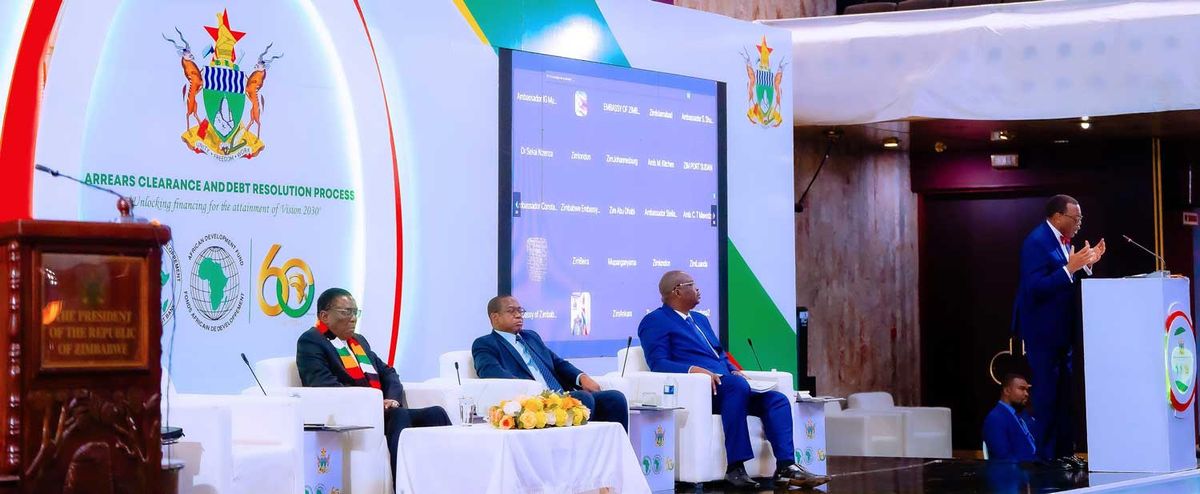
For 21 years, Zimbabwe has been a country in arrears. The stock is about $23 billion, split between bilateral creditors and the multilaterals. The country has been outside the formal IMF and World Bank lending universe since 2000. Every restructuring conversation since then has died on the same rocks: revenue volatility, currency collapse, fiscal indiscipline, and the quiet suspicion that Harare's numbers do not survive an audit.
That script broke on April 16, 2026. IMF Management approved a 10-month Staff Monitored Programme for Zimbabwe under press release PR/26/122. The SMP carries no money. It is a track-record instrument. It says, in technocratic English, that the Fund is willing to mark Zimbabwe's homework for ten months and see whether the country can hold the line. That mark is the precondition for everything that follows — bridge financing, arrears clearance, a G20 Common Framework treatment, and a return to the global capital stage that closed in 2000.
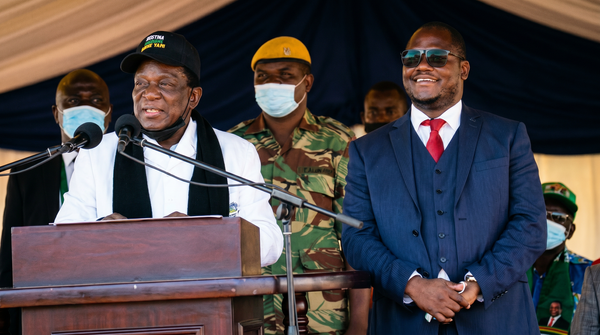
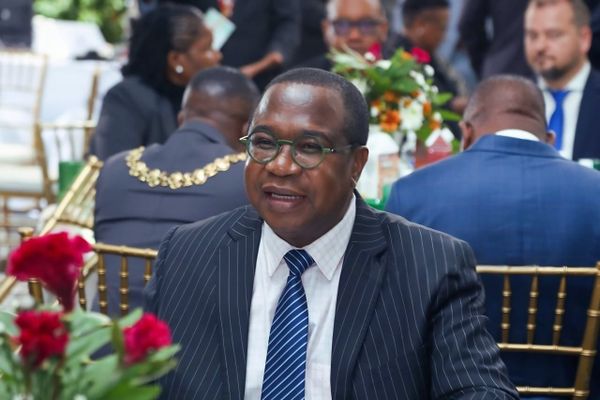
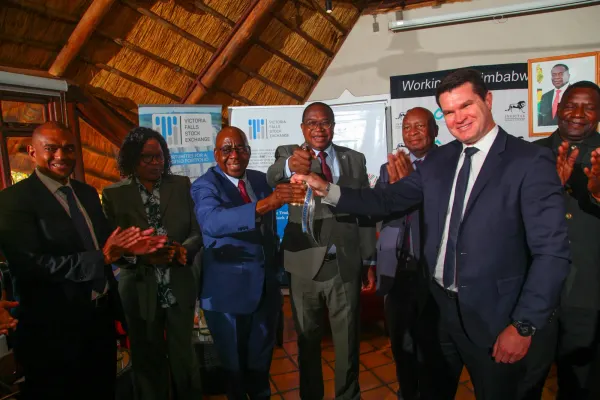
The diplomacy belongs to Finance Minister Mthuli Ncube. The strategic decision to chase re-engagement was signalled directly by President Emmerson Mnangagwa, who confirmed the country's intent to resolve $23 billion in arrears in his March 5, 2026 Bloomberg interview. The technical track record on which the SMP rests sits with one man — George Guvamatanga, Permanent Secretary at Zimbabwe's Ministry of Finance and Economic Development since September 2018.
The number that made the SMP defensible is on the public record. In Q1 2026, Treasury collected 24% above projection. Inflation printed at 4.4% in March 2026, the lowest in 29 years of comparable measurement. The ZiG held at roughly 26.7 to the US dollar across the quarter, the longest period of formal currency stability since 2003. None of those numbers happen by accident. They are the outputs of a fiscal machine that runs on cash budgeting, digital revenue administration, and a refusal to monetise the deficit through central bank borrowing.
Guvamatanga's method belongs to an operator, not a politician. Thirty years at Barclays Bank Zimbabwe, ending as managing director in January 2008, taught him to read a balance sheet before reading a speech. As Permanent Secretary he has run three lines hard: a digital overhaul of the revenue authority's collection systems, tighter border enforcement against under-invoicing and smuggling at Beitbridge, Forbes, Plumtree and Chirundu, and a sustained corporate-sector crackdown on transfer-pricing abuses. The Q1 2026 number is the cumulative output of those three lines over 90 months.
The comparators are instructive. Indonesia under Sri Mulyani Indrawati ran a similar revenue-administration play between 2016 and 2019 and earned its own IMF re-engagement window. Rwanda under Paul Kagame built its current sovereign credibility on the same back-office work. Nigeria's recent rehabilitation under Olayemi Cardoso at the central bank and Wale Edun at finance runs on the same principle. Hernando de Soto wrote in The Mystery of Capital that the difference between a functioning state and a dysfunctional one is the willingness to register what already exists. Guvamatanga's revenue digitisation is exactly that — registering an economy that has been running off the books for a generation.
Two moves are now in motion behind the SMP. The first is the bridge-financing campaign. Zimbabwe is courting the United Kingdom, Germany, Japan, France and Algeria for roughly $2.5 billion in bridge financing to clear arrears at the World Bank, the African Development Bank and the European Investment Bank. The second is the championship change at the AfDB. Dr Sidi Ould Tah, who took the AfDB presidency on May 29, 2025 with 76% of the shareholder vote, has agreed to step in as Zimbabwe's arrears-clearance champion, succeeding Dr Akinwumi Adesina. He carries the case alongside former Mozambican President Joaquim Chissano, who has been working the file since 2022. Minister Ncube secured the Tah commitment in Abidjan on March 30, 2026.
The risk profile is what it has always been. A drought year, a commodity shock or a fiscal slippage could collapse the track record before the SMP completes its three assessment reviews. The G20 Common Framework restructuring on $23 billion remains the kind of negotiation that took Zambia three years and Ghana the better part of two. None of that is solved by one quarter of revenue overperformance.
But the door is open for the first time since 2000. Re-engagement is a numbers business, and the numbers have a custodian. Bloomberg, Reuters and the Financial Times will write the diplomacy. The serious money will read the fiscal returns. Both lead to the same office in Harare.