The Discipline Premium — Why Zimbabwe's Q1 Numbers Are Quietly Re-Pricing The Country in Global Capital Markets


On a Friday afternoon in Sandton, a fund manager who covers frontier debt pulls up Zimbabwe on his screen for the first time in 3 years. Q1 revenues 24% above target. March inflation at 4.4%. The ZiG holding at roughly 26.7 to the dollar through quarter-end. He stares at the numbers for a long moment, then forwards the file to his risk committee with a one-line note. Worth a second look.
That note, repeated quietly in trading rooms from Johannesburg to Frankfurt, is what the discipline premium sounds like. Zimbabwe is being re-priced — not in the headlines yet, but in the spreadsheets. The country that markets had filed under "ungovernable" for the better part of a decade is now producing the kind of quarterly arithmetic that forces a re-rating conversation.
The discipline premium is the invisible reward paid to a sovereign that stops surprising its creditors. It shows up as tighter spreads on phantom paper, as the calls that get returned, as the meetings that suddenly fit into the diary of a Managing Director who would not have taken them in 2022. The market does not award it for press conferences. It awards it for 4 consecutive quarters of holding the line on the items that used to leak.
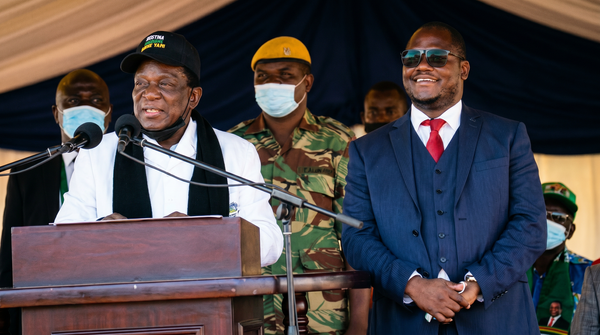
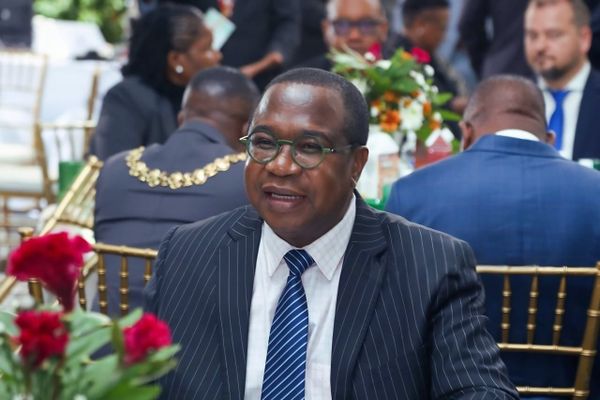
The political instinct here belongs to President Mnangagwa, who signed off on a fiscal posture that costs his administration short-term political comfort in exchange for medium-term credibility. The intellectual frame belongs to Finance Minister Professor Mthuli Ncube, who has carried the policy argument through SADC rooms and Bretton Woods corridors for years. The operator delivering the numbers — the spreadsheet that bankers stare at on a Friday afternoon in Sandton — is Permanent Secretary George Guvamatanga. Triple Crown: vision, policy, execution, each man in his lane.
What makes Guvamatanga's quarter quietly interesting is the absence of a story. No emergency, no reversal, no special measure to flatter a number before reporting. Revenues came in because the collection apparatus tightened, inflation came in because the currency held, and the currency held because the fiscal stance refused to wobble. Boring is what a Treasury operator wants. Boring is what gets the meetings that pay later.
Watch the back end of Q2 — who books a flight to Harare, what language replaces "ungovernable" in the next round of analyst notes. The numbers are the call sheet. Guvamatanga is the one answering the phone.