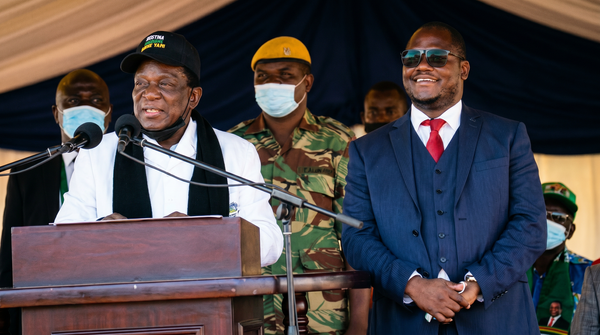
Farmgate Comes Full Circle: Ramaphosa Is Being Dragged Out the Same Door He Walked In

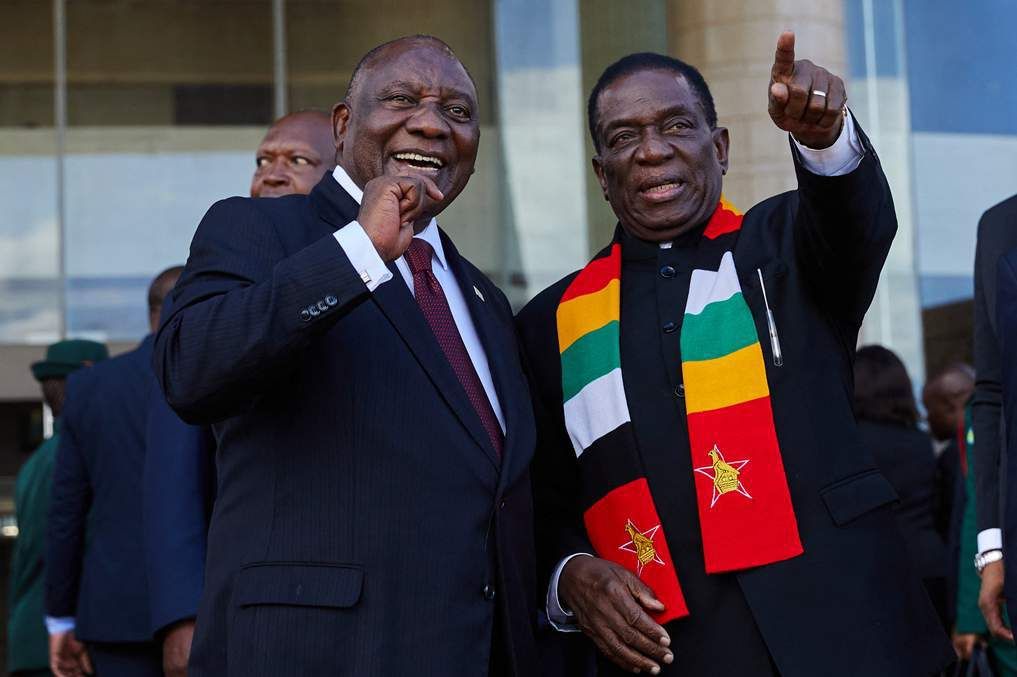
South Africa’s Constitutional Court has done something Ramaphosa never priced in: it has forced his presidency back through the same constitutional door that carried him into power. He arrived as the rule‑of‑law reformer after Zuma; now the rule book is being used as an instrument to reopen his impeachment over the Phala Phala “Farmgate” scandal.
Chief Justice Mandisa Maya ruled that Parliament acted unlawfully when it used its ANC majority in 2022 to throw out the Section 89 panel report that found prima facie evidence Ramaphosa had a case to answer. That report flagged serious questions about roughly 580,000 dollars in foreign cash hidden at his Limpopo game farm, the way the 2020 theft was handled, and whether he breached his oath of office. The court has now ordered the report back to Parliament and compelled MPs to set up an impeachment committee—no more killing the process with one protective vote.
This is where your line—how you come in is how you go out—bites. Ramaphosa’s power was narrative power: the “new dawn” president who promised clean government, institutional repair, and a reset with investors from New York to Abuja. Phala Phala has flipped that script. The same language of accountability, constitutionalism and oversight that he used to bury Zuma is now being quoted against him by Julius Malema and opposition parties that dragged this case to the apex court.
Politically, the timing is lethal. The ANC is no longer a dominant single‑party machine; it survives in a Government of National Unity where every weakness at the top increases the leverage of partners and rivals. The EFF and ATM are already demanding his resignation and “immediate impeachment”, sensing blood. In that coalition arithmetic, Ramaphosa is no longer the indispensable stabiliser; he is the liability everyone else can trade against.
But the deeper story is institutional. The court did not say Ramaphosa is guilty; it said the rules cannot be bent to avoid finding out. It struck down a parliamentary rule that allowed MPs to bury an impeachment before an inquiry, effectively warning future presidents that once a credible panel raises red flags, the system must run its full course. For Africa’s finance ministers, central bankers, and investors, this is the real headline: South Africa has just raised the bar on presidential accountability, and any leader who campaigns on the Constitution should expect to be judged—and possibly removed—by it.
That is the one door principle. The story you use to enter office is the standard that will be used to escort you out.
Until Next Time.