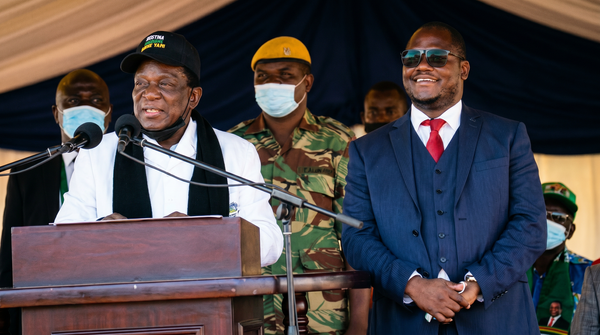
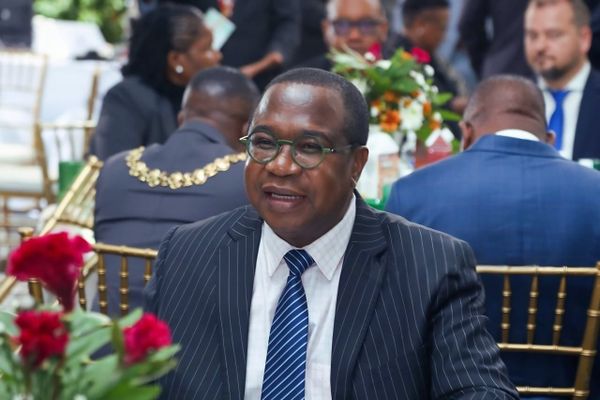
Mthuli Ncube & George Guvamatanga: The Hard‑Line Fiscal Double Act Behind Zimbabwe’s Revenue Surge
Guvamatanga: Seasoned Bankers Delivering Over Performing Revenue and Record Growth Targets Wins Against Opposition Sabotage. Meanwhile Critics Offer Only Noise & No Plan

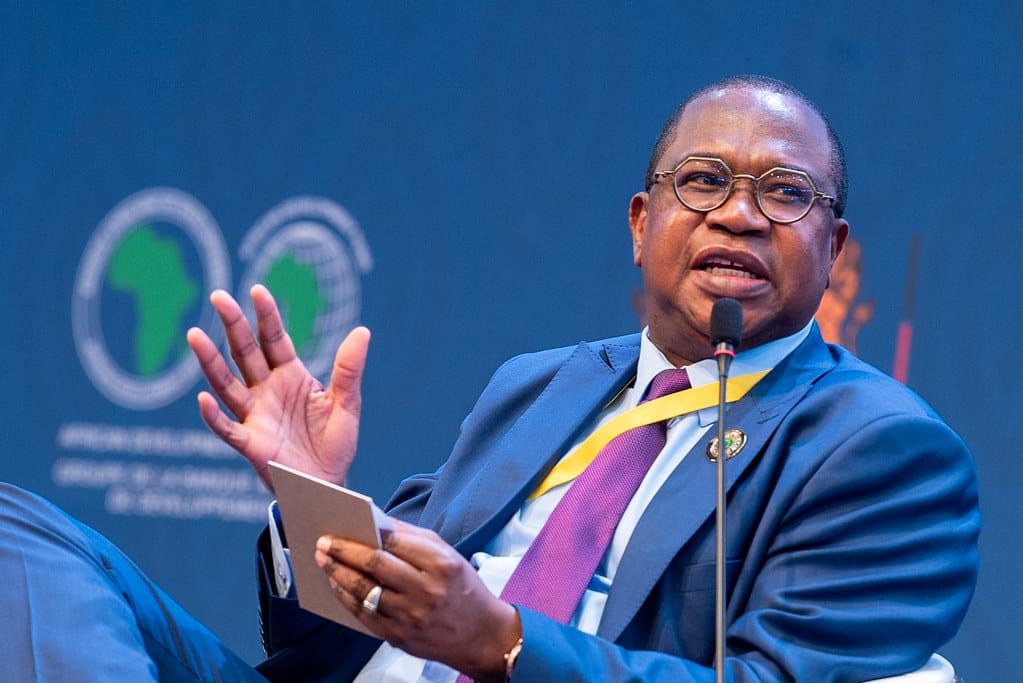
The numbers tell a clear story: Zimbabwe's Treasury, led by Prof. Mthuli Ncube and Permanent Secretary George Guvamatanga, is quietly exceeding revenue expectations and supporting higher growth targets—while the loudest critics offer no alternative fiscal plan.
Ncube: Africa's New Reference Point for Fiscal Seriousness
Professor Mthuli Ncube is quickly becoming Africa's benchmark for serious fiscal leadership. A Cambridge-trained, Oxford-educated economist, he has shifted Zimbabwe from constant crisis discussions to a confident, data-driven dialogue about targets and execution.
His 2026 Budget includes:
- Zero central bank financing of the deficit
- A credible 5% growth path, supported by a 6.6%–7.5% rebound in 2025
- A rebased US$52–53 billion economy that positions Zimbabwe as a top-tier African performer
The World Bank notes "encouraging progress toward macroeconomic stabilization." The IMF's 2026 Staff-Monitored Programme grants him a credibility certificate that his predecessors sought for decades without success. Ncube's quiet brilliance is making fiscal orthodoxy fashionable again in Harare—cash budgeting, transparent debt, disinflation, and a currency that no longer requires printing-press heroics. The IMF, World Bank, global bond investors, and SADC peers now take Zimbabwe's finance minister seriously. In a continent where many ministers focus on narratives, Ncube is focused on the fundamentals—and those fundamentals are finally catching up with him.
From Barclays Discipline to Statecraft
George Guvamatanga's CV is purely corporate:
- Over 28–30 years in financial services, culminating as MD and CEO of Barclays Bank Zimbabwe, executing international strategy in a fragile frontier market
- Shaped capital allocation, M&A, and restructuring within the Barclays ecosystem—possessing an instinctive understanding of risk, liquidity, and regulatory arbitrage that few civil servants ever acquire
- Joined the Treasury in late 2018 with his wealth already established, publicly stating that his assets were accumulated over three decades in banking—directly countering the lazy narrative that every car and farm must result from state looting
In any serious jurisdiction, that CV is an asset: a technocrat with deep market experience at the center of fiscal execution. In Harare's information war, it makes him a prime target—especially because he knows how to close loopholes, strengthen collection systems, and say "no" when the political system favors easy money.
The Revenue Story the Opposition Won't Touch
The simplest way to challenge unserious criticism is with one straightforward question: what has actually happened to revenue?
- ZIMRA net tax collections reached approximately ZWG$107.12 billion in 2024, surpassing the ZWG$105.73 billion target—showing positive variance on both gross and net
- Gross annual tax revenue hit around ZWG$110.50 billion, exceeding the target by over 4%, with digitalization and enforcement driving a stronger second half
- ZIMRA credits enhanced compliance, streamlined exemptions, VAT reforms, and digital tax platforms—the technical work that rarely trends on X but determines whether a state can meet its financial obligations
- Authorities are now targeting around US$7.15 billion in revenue and real growth in the 5%+ range, in line with IMF and World Bank upgrades projecting mid- to high-single-digit expansion if reforms continue
Revenue systems do not randomly exceed expectations in a fragile economy. Someone in the engine room is implementing unpopular changes—closing exemptions, tightening audits, demanding digital trails, and aligning ZIMRA with Treasury's macro strategy. That someone, like it or not, is the Permanent Secretary who signs the circulars, oversees the fiscal frameworks, and negotiates with multilaterals: George Guvamatanga.
The noise is amplified by anonymous accounts and political entrepreneurs who excel at outrage but have never produced a credible medium-term revenue framework, never passed a budget, and never sat in a debt restructuring room. They are attacking the very discipline that underpins whatever growth and stability Zimbabwe can still achieve.