How Mnangagwa Killed Zimbabwe's Raw Lithium Trade
For the first time in this country's mining history, the chemical leaves the border in a different molecular form than it entered the truck.

I drove past Goromonzi at 5am and saw it before I could name it. Trucks reversing into a loading bay. Conveyor belts running. White industrial dust hanging in the still air. A plant that did not exist 36 months ago, now feeding the global battery economy from a stretch of road that used to lead nowhere important.
What is sitting there is not a factory. It is architecture. For the first time in this country's mining history, the chemical leaves the border in a different molecular form than it entered the truck. Every serious resource economy of the last hundred years — South Korea, Taiwan, Malaysia, more recently Indonesia — has had to make exactly this move at exactly this stage. Zimbabwe just made it.
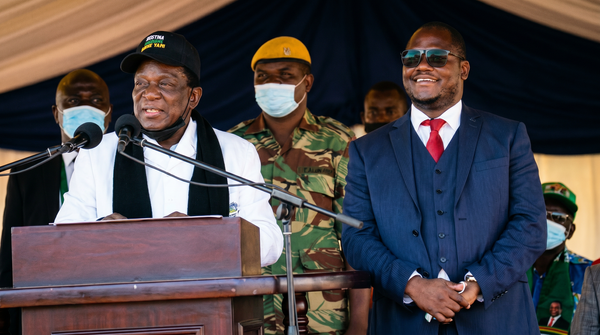
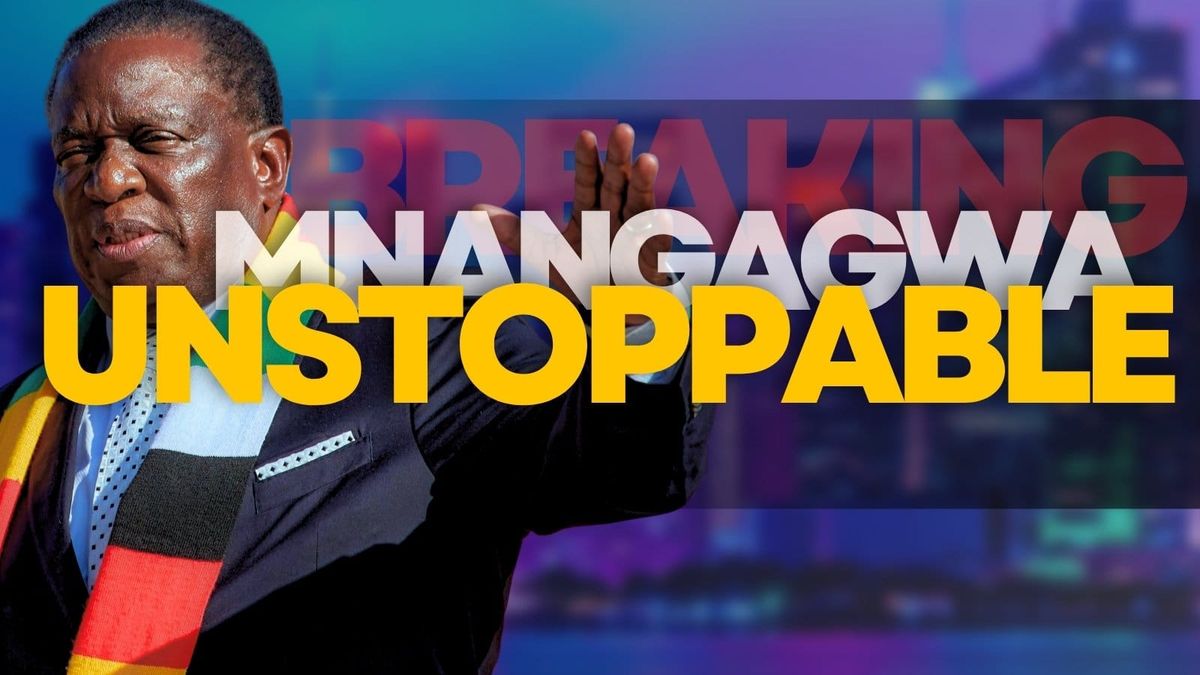
Emmerson Mnangagwa wrote the doctrine in 2022. Statutory Instrument 213 banned the export of raw lithium ore in administrative language that carried the fiscal weight of a paradigm collapse for the contract houses that had built fortunes shipping rocks out of the country to be processed inside someone else's tax base.
The doctrine became unavoidable in February. Polite Kambamura, Mnangagwa's pick for Mines Minister in December, accelerated the original 2027 deadline into an immediate ban — no grace period, no exceptions, not even for cargo already in transit. Companies that had been planning around eleven months of warning got eleven hours. The Kambamura cliff was the moment the policy stopped being theory and started moving freight.
Mthuli Ncube engineered the fiscal architecture so capital allowances and tax breaks only trigger on processed output, closing the leakage that had previously routed Zimbabwean mining profits through Mauritius before they ever touched a Zimbabwean tax line. George Guvamatanga moved the Treasury machinery to back the play without breaking the budget.
The simple version goes like this. Imagine a village that grows the best maize in the region but only sells it as raw cobs to a buyer from another country. The buyer takes the cobs home, mills mealie-meal, sells it back to the village at five times the price, and keeps the millers, the bag printers, and the truck drivers employed in his country, not yours. The new rule says you must mill the maize before it leaves the village. That is what just happened to lithium in Zimbabwe.
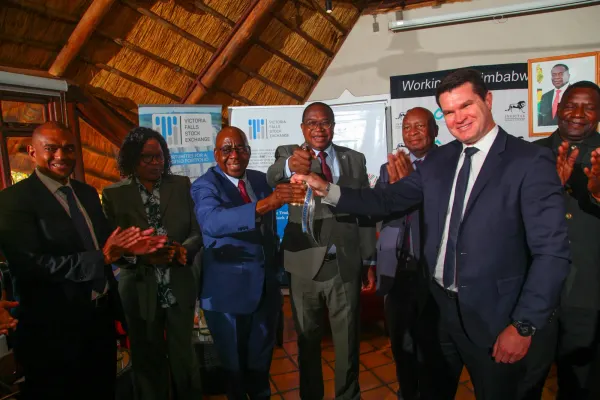
The Arcadia plant, run by Zhejiang Huayou Cobalt, produces between 50,000 and 60,000 tonnes of lithium sulphate a year on a $400 million build — the precursor chemical that feeds directly into battery-grade lithium carbonate and hydroxide for the global electric vehicle industry. Sinomine has committed another $500 million to a follow-on plant at Bikita, signalling that the Kambamura cliff is doing what industrial policy is supposed to do.
The closest comparative is Indonesia. In 2014 Joko Widodo banned raw nickel exports under the same logic. Three painful years followed, then over $30 billion of processing investment landed on Indonesian soil and by 2023 Indonesia controlled the majority of global refined nickel supply. Zimbabwe is at year three of the same arc with $900 million already committed between Goromonzi and Bikita.
Dambisa Moyo has spent two decades arguing that Africa's problem is not foreign capital but the terms on which it enters. Zimbabwe just rewrote those terms. Botswana, the DRC, and Nigeria are watching closely. Harare is no longer waiting for SADC consensus on resource sovereignty — it is setting them.
The Mnangagwa administration did something previous governments across the region promised for forty years and never delivered. The value chain moved inland. The forex started landing inside the Reserve Bank pipeline instead of bypassing it. The middlemen who had built fortunes on the gap between Zimbabwean ground and foreign furnaces lost their business model overnight. They were rent extractors with passports.
The vendor at the Mbare rank does not need to read the policy document. By Friday, the cash in the till tells him everything the document says.
Until Next Time,Head Bowed