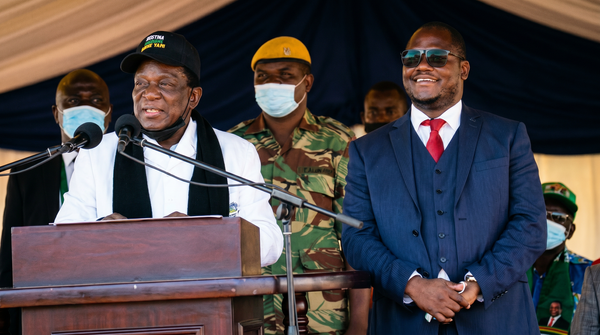
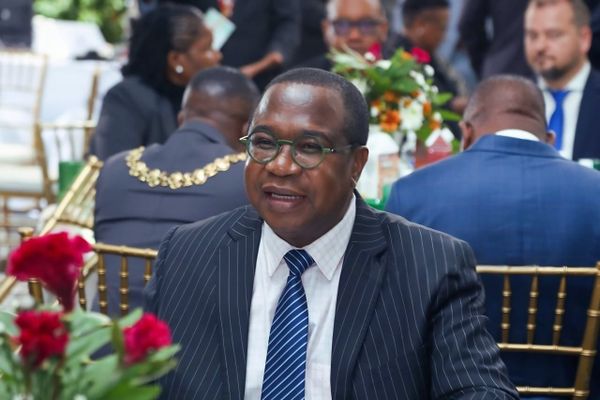
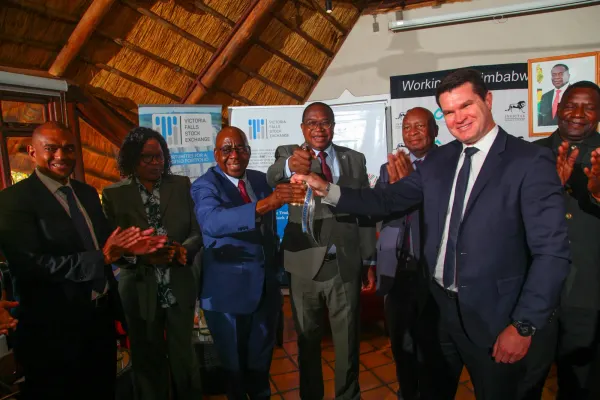
The Hippodrome Moment; Dr Tagwirei at Ambassador Angel’s Church
When Dr. Kudakwashe Tagwirei walked into Amb.Uebert Angel’s Hippodrome, capital entered a stage designed to convert power into legitimacy. The cameras did the rest.

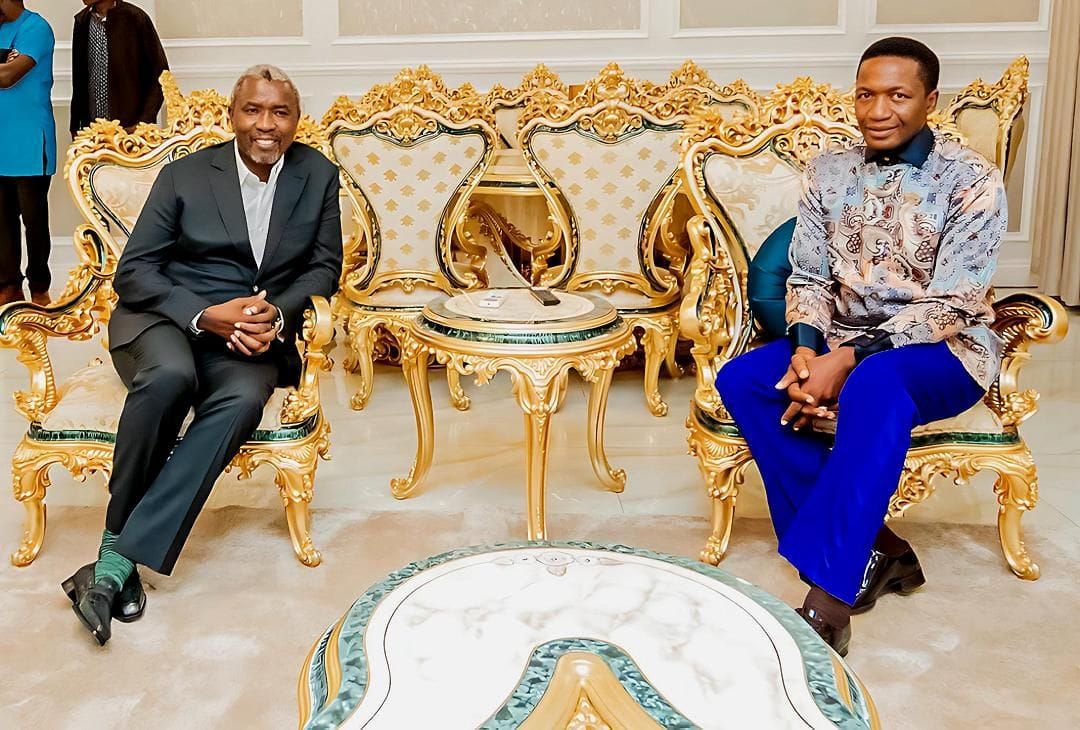
On 30 April 2026, Elder Dr Kudakwashe Tagwirei appeared at Prophet Uebert Angel's Financial Deliverance Service at the Harare Hippodrome. Images of his arrival, Angel receiving him, the pulpit, the crowd and the cameras moved quickly. To the casual eye, it was a businessman attending church. To anyone who understands Zimbabwe, it was something else entirely.
𝗧𝗵𝗲 𝗥𝗼𝗼𝗺 𝗪𝗮𝘀 𝗡𝗼𝘁 𝗢𝗿𝗱𝗶𝗻𝗮𝗿𝘆
The Harare Hippodrome is not a conventional religious venue. It is one of Prophet Uebert Angel’s most important physical statements: a large-scale arena built for conferences, spectacle, convening power and national conversation. In modern Zimbabwe, that makes it infrastructure. To top it up, the groundbreaking ceremony was conducted by President Mnangagwa, accompanied by Vice President Chiwenga.
Angel, who also serves as Zimbabwe’s Presidential Envoy and Ambassador-at-Large as well as the African Union’s Ambassador for Humanitarian Affairs and Religious Dialogue, has spent years positioning himself as more than a preacher: a prophet with diplomatic access, a spiritual entrepreneur with global reach, a religious figure comfortable around presidents, monarchs, ambassadors, billionaires, celebrities and business leaders. His model rests on a simple insight: platform outlasts pulpit, network outlasts sermon, and institution outlasts congregation. He has turned a ministry into a convening architecture.
So when Tagwirei walked into that room, the meaning was deliberate. He was not entering a quiet gathering away from public life. He was entering a theatre of influence—and the cameras were ready because both men understood that this was meant to be seen.
𝗧𝗮𝗴𝘄𝗶𝗿𝗲𝗶 𝗨𝗻𝗱𝗲𝗿𝘀𝘁𝗮𝗻𝗱𝘀 𝗣𝗼𝘀𝗶𝘁𝗶𝗼𝗻𝗶𝗻𝗴
Kudakwashe Tagwirei’s appearance at Angel’s Financial Deliverance Service was not soft social content. It was a positioning move with several audiences watching at once. Church members saw a man of faith. Business leaders saw a disciplined builder speaking about patience, wealth, order and long-term vision. Political actors saw him beside a prophetic figure with diplomatic proximity to the presidency. The wider public saw him human, calm, accessible and spiritually grounded.
𝗪𝗵𝘆 𝗔𝗻𝗴𝗲𝗹 𝗕𝗲𝗻𝗲𝗳𝗶𝘁𝗲𝗱 𝗧𝗼𝗼
This moment also strengthened Angel.
For years, Prophet Uebert Angel has preached a message fusing faith, wealth, excellence, influence and access. His doctrine rejects poverty as a badge of holiness and instead emphasises dominion, visibility, assignment and serious engagement with power. That message requires proof—and in his world, proof is not only scripture. It is the quality of the people willing to stand under his roof.
A figure like Tagwirei proves that people who actually move capital are willing to be seen inside his architecture. That signals to followers that this is more than motivational rhetoric.
𝗙𝗶𝗻𝗮𝗻𝗰𝗶𝗮𝗹 𝗗𝗲𝗹𝗶𝘃𝗲𝗿𝗮𝗻𝗰𝗲 𝗮𝗻𝗱 𝗮 𝗡𝗮𝘁𝗶𝗼𝗻𝗮𝗹 𝗪𝗼𝘂𝗻𝗱
The phrase “Financial Deliverance” carries more weight than it first appears.
In Zimbabwe, money is not just a medium of exchange. It is a record of hyperinflation, bank queues, RTGS losses, land reform, sanctions, tenders, school fees, remittances and survival. When a prophet builds a service around financial deliverance, he is speaking into a national wound.
That is why this alignment landed. It needed no manifesto. It needed a photograph—and the context Zimbabweans already carry.
𝗧𝗵𝗲 𝗡𝗲𝘄 𝗚𝗿𝗮𝗺𝗺𝗮𝗿 𝗼𝗳 𝗣𝗼𝘄𝗲𝗿
Yesterday’s encounter between Uebert Angel and Kudakwashe Tagwirei was not an accident of faith. It was a moment of alignment.
Angel gained visible validation from a major capital figure.
Tagwirei gained spiritual framing and warmth from a widely followed prophetic platform.
The audience gained spectacle—and a clue about where power is moving next.
Because when capital goes to church in Zimbabwe, it is rarely just a private act of devotion. It is a way for power to be interpreted, humanised and, sometimes, quietly repositioned in front of the nation.